What Happens If I Stop Taking Hormonal Birth Control?
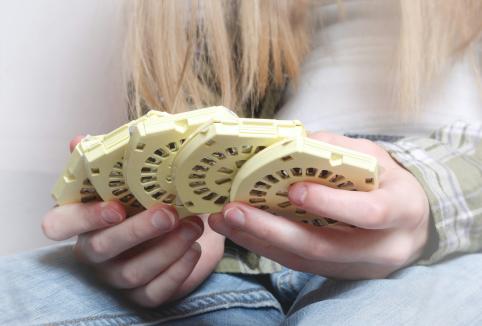
Everybody's experience is a little different.
Whether you're thinking about trying to get pregnant, switching methods, or simply taking a break, it's normal to wonder what happens when you stop using birth control.
The short answer? Everybody's experience is a little different. Some changes happen right away, while others can take a few weeks or months. Here's what you should know.
Your fertility may return quickly
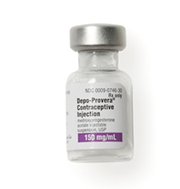
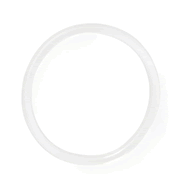
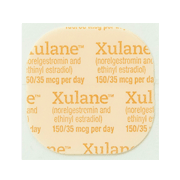
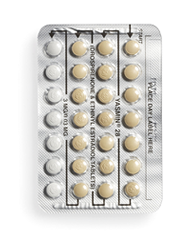
One of the biggest myths about birth control is that it takes a long time to get pregnant after you stop using it. For most people, that's not true. Depending on the method you were using, you may be able to get pregnant soon after stopping birth control. In fact, ovulation (when your body releases an egg) can return within a few days for many people who stop taking the pill, remove an IUD, or stop using the patch or ring.
Your period may change
Hormonal birth control can affect your menstrual cycle, so it's normal to notice changes after stopping. Your periods may become heavier, your cramps may be more painful, your period may last longer, or your cycle may become irregular. These changes may be temporary, or they may simply reflect what your natural cycle is like without hormonal birth control.
Symptoms birth control was helping manage may return
Many people use birth control to help manage symptoms like acne, cramping, heavy bleeding, or PMS. If you were using birth control to help with any of these, you may notice those symptoms return after you stop.
You might notice temporary changes
As your body adjusts, you may notice temporary changes such as shifts in mood, skin, sex drive, breast tenderness, or headaches. Not everyone experiences these changes, and many people notice little to no difference.
When should you talk with a healthcare provider?
It's a good idea to reach out to a healthcare provider if you:
- Haven't had a period after several months
- Experience unusually heavy bleeding
- Have severe pain
- Have questions about being prepared for a healthy pregnancy or switching birth control methods
If you're thinking about stopping your birth control method, it's helpful to have a plan for what's next—whether that's trying to become pregnant, starting a different birth control method, or simply monitoring your cycle. A provider at your nearest The Right Time health center can answer your questions and help you decide what comes next.
Related Content

Article
How to Talk to Your Partner About STI TestingYou deserve partners who are willing to have honest conversations about sexual health.


Article
Sexual Health Is About More Than Just PreventionIt's also about pleasure, communication, and feeling good in your own body.

Article
What to Know About Spotting on Birth ControlFor many people, spotting gets better—or goes away completely—as the body adjusts to a new birth control method.