Getting Nexplanon? Here’s What to Expect

The procedure typically takes only a few minutes.
Thinking about getting the birth control implant, also known as Nexplanon?
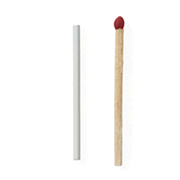
It’s a small, flexible rod that is placed in the skin of your upper arm by a health care provider, and lots of people have questions about what happens in the appointment when you get an implant. Here's a glimpse into what you can expect. For answers to your specific questions about implants, make an appointment to talk to a provider at your nearest The Right Time health center.
Before the procedure
First, your provider will talk with you about your health, medications, and birth control goals. This is a good time to ask questions and talk about what you can expect from the implant, such as:
- “What does it feel like to have the implant put in?”
- “Is there anything I can’t do right afterwards?”
- “Can I have a friend in the room to hold my hand during the procedure?”
During the procedure
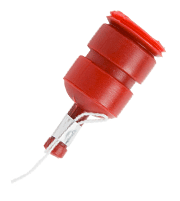
First, your provider will numb a small area of your arm with lidocaine, a local anesthetic. According to Joely Pritzker, a family nurse practitioner who places a lot of implants, "This is the part that is usually the most painful. For most people, it's a burning or stinging feeling that lasts for about 10 seconds.” Once the area is numb, they will use a special inserter to place the implant under your skin. One thing to know about the inserter is that it makes it very easy to place the implant and helps prevent it from going too deep.
The procedure typically takes only a few minutes. You may feel some pressure, but you shouldn't feel sharp pain while the implant is being placed. If you are feeling anything more than gentle pressure after getting the numbing medicine, be sure to tell your provider. Afterward, your provider will put a bandage over the area. Your arm may feel a little sore, or it may be bruised for a few days.
After getting Nexplanon
Your provider will tell you when the implant starts working for you and whether you need to use a backup birth control method. One of the biggest changes you may notice is a change in how your period comes. Your periods may become lighter, heavier, longer, shorter, less regular, or stop altogether. These changes are common with Nexplanon. Like any method of birth control, Nexplanon can also have side effects. Talk with your provider if you have concerns or if something doesn't feel right.
Have questions about Nexplanon or want to find out if it’s right for you? Make an appointment at your nearest The Right Time health center.
Related Content

Article
How to Talk to Your Partner About STI TestingYou deserve partners who are willing to have honest conversations about sexual health.

Article
Sexual Health Is About More Than Just PreventionIt's also about pleasure, communication, and feeling good in your own body.

Article
What to Know About Spotting on Birth ControlFor many people, spotting gets better—or goes away completely—as the body adjusts to a new birth control method.

Article
What Happens If I Stop Taking Hormonal Birth Control?Everybody's experience is a little different.