What Does “Dual Protection” Birth Control Mean?
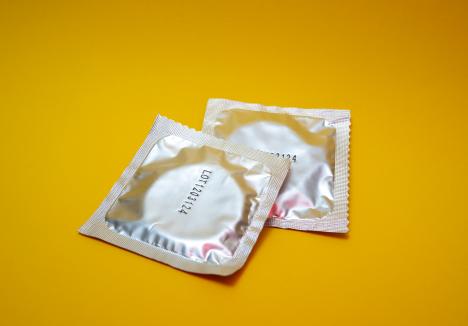
It usually means using a condom along with another birth control method.
Different birth control methods do different things. Some are very good at preventing pregnancy. Others help protect against sexually transmitted infections (STIs). But what if you want really good protection from pregnancy and protection from STIs?
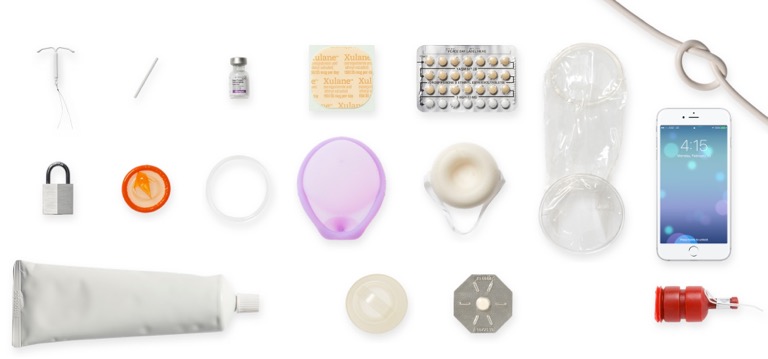
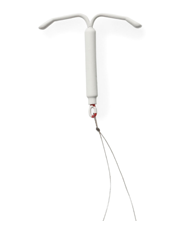
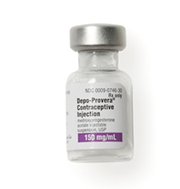
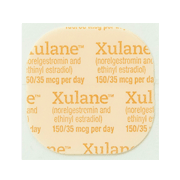
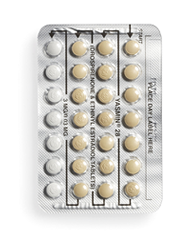
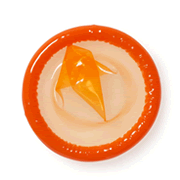
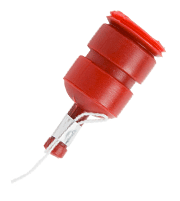
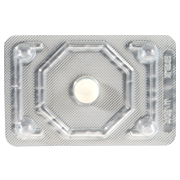
One way to go about it is to use more than one method. This is often called dual protection, and it usually means using a condom along with another birth control method, like the pill, patch, shot, IUD, or implant. Each method has a different role: the pill, patch, shot, IUD, and implant work really well to prevent pregnancy. Condoms are the only method that protect against STIs (while also preventing pregnancy). When one of those pregnancy-prevention methods is used with a condom, they offer broader protection than either one alone.
Using both also provides backup in case one method doesn’t work perfectly. Real life can be unpredictable. People forget pills, schedules change, and situations don’t always go as planned. Using two methods helps you be prepared for those moments and gives you more confidence in your choices. For many, it’s less about being overly cautious and more about being practical.
Talking with a partner about using condoms and another method ahead of time can also make things easier. These conversations don’t have to be complicated. Being clear about what you need to feel protected can help set expectations and make sex feel safer and more respectful for everyone involved.
If you want to learn more about dual protection or figure out which birth control methods might work best for you, visiting your nearest The Right Time health center can be a good next step. Health centers can answer questions, explain how different methods work together, and help people make informed decisions. Many also offer free or low-cost access to all the methods of birth control, making it easier to get the protection you need.
Understanding your options — and knowing where to go for support — can help you choose a birth control plan that fits your life and protects your health.
Related Content

Article
How to Talk to Your Partner About STI TestingYou deserve partners who are willing to have honest conversations about sexual health.


Article
Sexual Health Is About More Than Just PreventionIt's also about pleasure, communication, and feeling good in your own body.

Article
What to Know About Spotting on Birth ControlFor many people, spotting gets better—or goes away completely—as the body adjusts to a new birth control method.