Switching Birth Control? Here’s What to Expect

You're not alone.
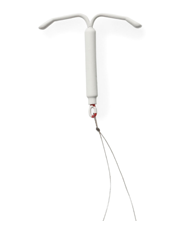
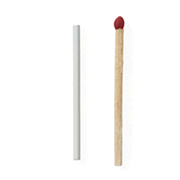
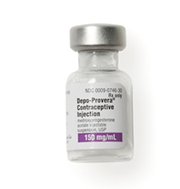
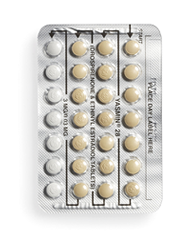
Thinking about changing your birth control method? You’re not alone. Many people switch methods for all kinds of reasons, like side effects, convenience, life changes, insurance coverage, or just wanting something that fits their stage of life better. And it’s also completely normal to try more than one method before finding your perfect match. Let’s talk about what the transition from one method to another might look like.
Your body may need time to adjust. When you start a new method, you might notice irregular bleeding, spotting, lighter or heavier periods, no period at all, mild cramping, or breast tenderness as your body adjusts to any new (or lack of) hormones. For most people, these changes settle within 2 to 3 months. But if something feels painful or just not right, check in with a provider at your nearest The Right Time health center.
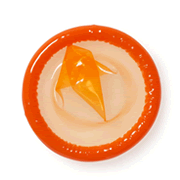
If pregnancy prevention is important to you, make sure you stay protected during the transition. Depending on the methods involved, you may need a backup method, like condoms, for a short time. When in doubt, use a backup method.
Remember, birth control is not a one-size-fits-all, and your birth control needs might change over time. A method that was right for you a few years ago might not be right anymore, and that’s okay! Switching birth control can come with a short adjustment period, including possible cycle changes and the need for backup protection. But it's all about finding what works best for you in this moment, because you deserve birth control that fits your life, not the other way around.
Related Content

Article
How to Talk to Your Partner About STI TestingYou deserve partners who are willing to have honest conversations about sexual health.


Article
Sexual Health Is About More Than Just PreventionIt's also about pleasure, communication, and feeling good in your own body.

Article
What to Know About Spotting on Birth ControlFor many people, spotting gets better—or goes away completely—as the body adjusts to a new birth control method.