Nervous about Getting an IUD?
Here’s what to expect.
If you’re feeling nervous about getting an IUD, you’re not alone. A lot of people feel this way, especially if they’ve never gotten an IUD before. The good news is that getting an idea beforehand of what happens during the insertion can make the experience feel more manageable. Here’s what to expect, and for answers to your specific questions about IUDs, talk to a provider at your nearest The Right Time health center.
Before the appointment:
- The provider might recommend taking an over-the-counter pain reliever beforehand to help with pain and cramping.
- They might also provide a prescription for an anti-anxiety medication that can be taken before the procedure.
During the visit before the IUD placement:
- The provider will review your health history and help you choose the right type of IUD for you.
- Some providers also offer local anesthetics, such as lidocaine spray or cream or injection. Asking questions about what pain management options they have can help you feel more comfortable.
During the insertion:
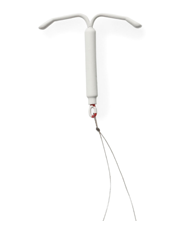
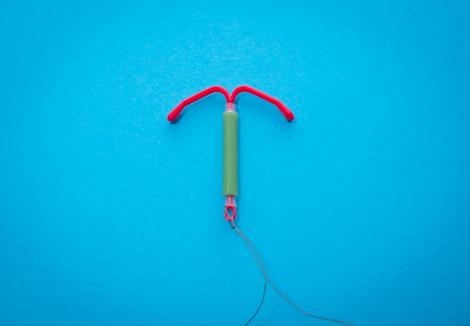
- The actual IUD placement usually takes a few minutes. You’ll be lying on an exam table, and the provider will first insert a speculum into the vagina, similar to what happens when getting a Pap. After placing the speculum, the provider will use a small instrument called a tenaculum to hold the cervix in position. This can cause a sharp cramp or pinch. If the provider is using a local anesthetic (pain medication), this is typically when it's administered. They'll then measure the depth of the uterus (called sounding) using a narrow probe, which may bring on another brief cramp. They will then insert the IUD through the cervix into the uterus using a special inserter device.
- Everyone's experience is different. Whatever you feel, the most intense moments are typically brief, and your provider can pause at any point if you need a break.
Afterward:
- It is common to have cramping or spotting for a few days or even a few weeks after placement. A heating pad and over-the-counter pain relievers can help if you experience cramps or backaches.
- Some people go back to normal activities the same day, but it’s also okay to take it easy if your body needs it.
- Over time, hormonal IUDs will usually lead to lighter periods or no periods at all, while the copper IUD may cause heavier periods at first.
- One of the biggest things to remember is that getting an IUD is not a permanent decision. If you don’t like it, you can have it removed at any time.
Getting an IUD can feel intimidating at first, but knowing what to expect can make the process more manageable. While everyone’s experience is a little different, the procedure is usually quick, and any pain or discomfort is typically brief. With the right support, pain management options, and a provider you trust, you can feel more confident going into your appointment. And remember—you’re in control. If an IUD doesn’t end up being the right method for you, you can always explore other options with a provider at your nearest The Right Time health center.
Related Content

Article
How to Talk to Your Partner About STI TestingYou deserve partners who are willing to have honest conversations about sexual health.


Article
Sexual Health Is About More Than Just PreventionIt's also about pleasure, communication, and feeling good in your own body.

Article
What to Know About Spotting on Birth ControlFor many people, spotting gets better—or goes away completely—as the body adjusts to a new birth control method.