If You Can't Afford Birth Control, What Should You Do?
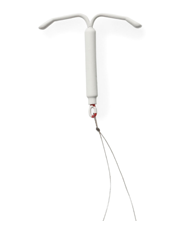
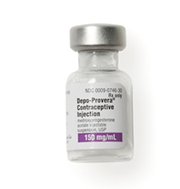
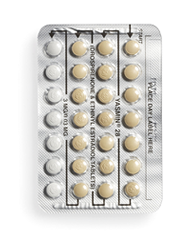
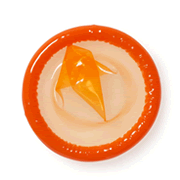
the changes that we've made they have positive impacts on the population that we serve specifically allowing women to become empowered and have the access to contraceptive methods you know removing barriers I believe that every woman should have access to contraception despite their socioeconomic status and with the right time initiative that removes all of those barriers and allows them to make informed decisions the right time removes costs as a barrier that she would be able to select the method of her choice without worrying about cost and that she would be able to make the decision that's best for her and her family making sure that they're aware of all methods so providing them with a job aid that displays all of the methods so they are aware of all the methods that are offered on-site through the right time initiative we're allowing them to be able to access that method same day and leave the health center with that method so specifically going over each individual method if they don't want to know in full detail about a certain method just giving them a brief overview of that specific method and moving on and so we want to make sure that it's client centered its shared decision-making in terms of the method that they select
Visit a The Right Time health center, of course!
Cost can be a big barrier when trying to obtain contraception. But because The Right Time health centers provide free or low-cost birth control to those who need it, patients can choose the methods that will work for them and their lifestyles, whatever they may be, and regardless of price.
Related Content

Article
How to Talk to Your Partner About STI TestingYou deserve partners who are willing to have honest conversations about sexual health.


Article
Sexual Health Is About More Than Just PreventionIt's also about pleasure, communication, and feeling good in your own body.

Article
What to Know About Spotting on Birth ControlFor many people, spotting gets better—or goes away completely—as the body adjusts to a new birth control method.