Birth Control for Transmasc and Gender-Nonbinary Folks

Ultimately, it's up to you to decide what's most important when choosing a birth control method.
People of all genders use birth control for many reasons, including stopping or managing bleeding and preventing pregnancy. Some people have questions about whether using birth control, especially hormonal methods, might interfere with other parts of gender-affirming care (GAC). Here are the facts.
Preventing pregnancy can be gender-affirming
Regardless of gender identity or sexual orientation, if you have a body that can become pregnant and you have receptive frontal (vaginal) sex with people whose bodies make sperm, pregnancy is possible. While using testosterone can stop bleeding, it doesn’t prevent pregnancy.
If you are having sex where pregnancy is possible and you do not want to be pregnant, you can consider using birth control as part of your GAC.
Can birth control stop or reduce bleeding?
Yes. Birth control can be used by people of all gender identities to stop or reduce bleeding, whether or not you are also on testosterone.
If you are still having bleeding while taking testosterone, especially if you’ve been on testosterone for more than six months, check in with your health care provider. You may need an evaluation for other medical conditions that could be causing your bleeding.
Will birth control affect your transition?
TL;DR: probably not.
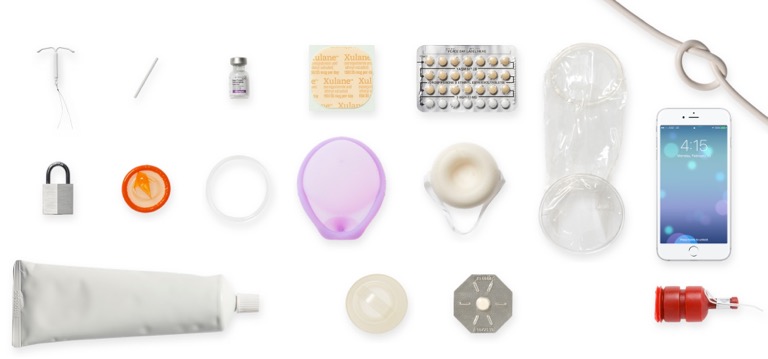
There are many types of birth control available. None are likely to significantly interfere with other aspects of GAC, but people choose birth control methods for different reasons and based on their preferences.
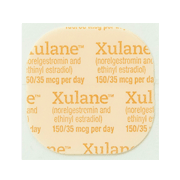
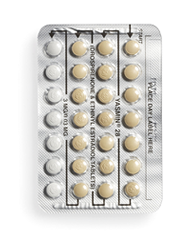
If stopping bleeding is most important to you, a combined hormonal method like the pill, patch, or ring might be the best option because it’s most effective at stopping bleeding. However, these methods can cause chest tenderness (especially in the first three months), which can be uncomfortable. You can always talk to your provider about adjusting your gender-affirming hormone therapy if needed. But if you don’t want to take a method with estrogen, there are other options, too!
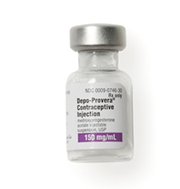
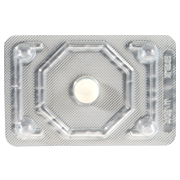
The progestin-only pill, shot, implant, hormonal IUD, and over-the-counter emergency contraception pill only contain the hormone progestin, which doesn’t interact with testosterone. These methods can be used to stop or reduce bleeding, but may make bleeding more irregular and can cause some chest tenderness.
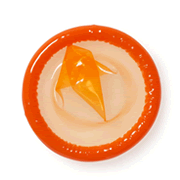
If you’re looking for something non-hormonal, condoms, sterilization, and copper IUDs are some methods that don’t involve any hormones. Copper IUDs may increase bleeding and cramping, so they may not be the right fit for some folks. One bonus about condoms is that they protect against STIs too!
Bottom line
Birth control can stop bleeding and prevent pregnancy. Neither hormonal nor non-hormonal birth control methods will have a significant impact on other aspects of gender-affirming care.
Ultimately, it's up to you to decide what's most important when choosing a birth control method. Visit your nearest The Right Time health center to talk with a health care provider about a method that's right for you.
Related Content

Article
How to Talk to Your Partner About STI TestingYou deserve partners who are willing to have honest conversations about sexual health.


Article
Sexual Health Is About More Than Just PreventionIt's also about pleasure, communication, and feeling good in your own body.

Article
What to Know About Spotting on Birth ControlFor many people, spotting gets better—or goes away completely—as the body adjusts to a new birth control method.