Birth Control & Your Period: What to Expect

Birth control often changes your period, and that’s normal and safe.
Using birth control can come with changes to your period. Depending on your birth control method, your period might get lighter or heavier, be shorter or longer, or go away altogether. Here’s a clear breakdown of how different birth control methods can impact your period, why those changes happen, and what you can do if it’s bothering you.
Why birth control often changes your period
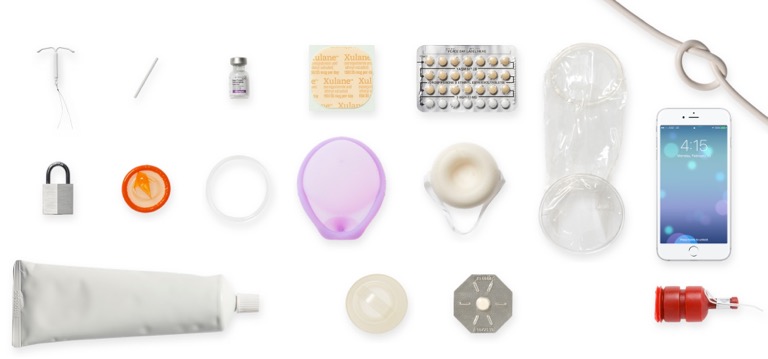
Some methods like the condom and spermicide have no effect on your period at all. Birth control methods that have hormones like estrogen and/or progestin affect your uterine lining, and the lining is what sheds during your period. Copper IUDs alter your periods just by being inside the uterus. If a method changes your period, it is not harmful to your health, and for many people, having a lighter or no period can actually be preferable.
What to expect with different methods
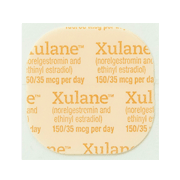
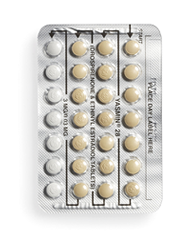
Hormonal methods like the pill, patch, and ring:
Many people experience light bleeding, or “spotting,” between periods during the first few months. After, your body adjusts to the new hormones and settles into a more predictable pattern. With these methods, you’ll usually have a light, predictable period once a month during the placebo pill week or during the week without the ring or patch. People who use the pill, patch, or ring continuously to skip periods may not have a period at all, or just very light bleeding every so often. This is also a safe option to talk to your provider about if you’re interested.
Hormonal IUDs or the Implant:
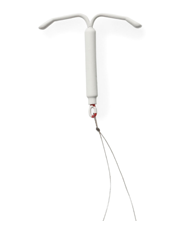
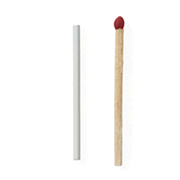
Many people experience unpredictable or consistent spotting or light bleeding for the first few months after starting these methods. Your periods will likely become shorter and lighter and stay that way for as long as you have the implant or IUD. For some people, they might not get a period at all while on these methods, and that is normal.
The Shot:
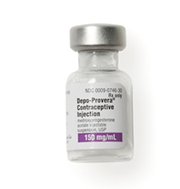
Just like the hormonal IUD and implant, most people experience unpredictable light bleeding or spotting at first. After the first three months, the light bleeding or your periods might stop entirely. This is normal.
Copper IUD:
For the first few months after getting the copper IUD, many people experience heavier periods with more cramping. However, after about 6 months of having the copper IUD, many people report that their bleeding is the same as it was before getting their IUD.
All other methods:
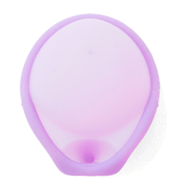
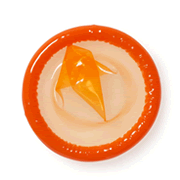
Other methods, like the cap, condom, internal condom, spermicide, and tubal sterilization do not have any effect on the timing or heaviness of your period.
The Bottom Line
Birth control often changes your period, and that’s normal and safe. What happens depends a lot on which method you use and how long you’ve been using it. Remember that your body often needs a few months (usually 3 to 6) to adjust to a new method, and many people report that bleeding patterns stabilize once their body adapts. If your period changes are annoying or concerning, talk with a health care provider at your nearest The Right Time health center. They can help you troubleshoot your method or might suggest switching to a different brand or method.
Related Content

Article
How to Talk to Your Partner About STI TestingYou deserve partners who are willing to have honest conversations about sexual health.


Article
Sexual Health Is About More Than Just PreventionIt's also about pleasure, communication, and feeling good in your own body.

Article
What to Know About Spotting on Birth ControlFor many people, spotting gets better—or goes away completely—as the body adjusts to a new birth control method.